



Description
Buy Dilaudid Online with Fast delivery
Buy Dilaudid Online
Dilaudid (generic name hydromorphone) is a powerful prescription opioid medication used to treat severe pain. Dilaudid is the brand name for hydromorphone, a prescription opioid analgesic used to manage pain that is severe enough to require an opioid medication when alternative treatments are inadequate. Hydromorphone works primarily by changing how the brain and nervous system perceive and respond to pain. Because Dilaudid is a potent opioid, it requires careful prescribing, dosing, monitoring, and storage.
Buy Dilaudid is not appropriate for every type of pain or every patient. Like other opioid medications, Dilaudid can cause drowsiness, constipation, nausea, dizziness, respiratory depression, tolerance, physical dependence, and addiction. Taking Dilaudid in a manner different from the prescribed instructions can substantially increase the risk of serious injury or overdose.
What Is Dilaudid and How to buy Dilaudid?
Dilaudid contains the active ingredient hydromorphone. Hydromorphone belongs to a class of medicines known as opioid analgesics, sometimes referred to as narcotic pain relievers.
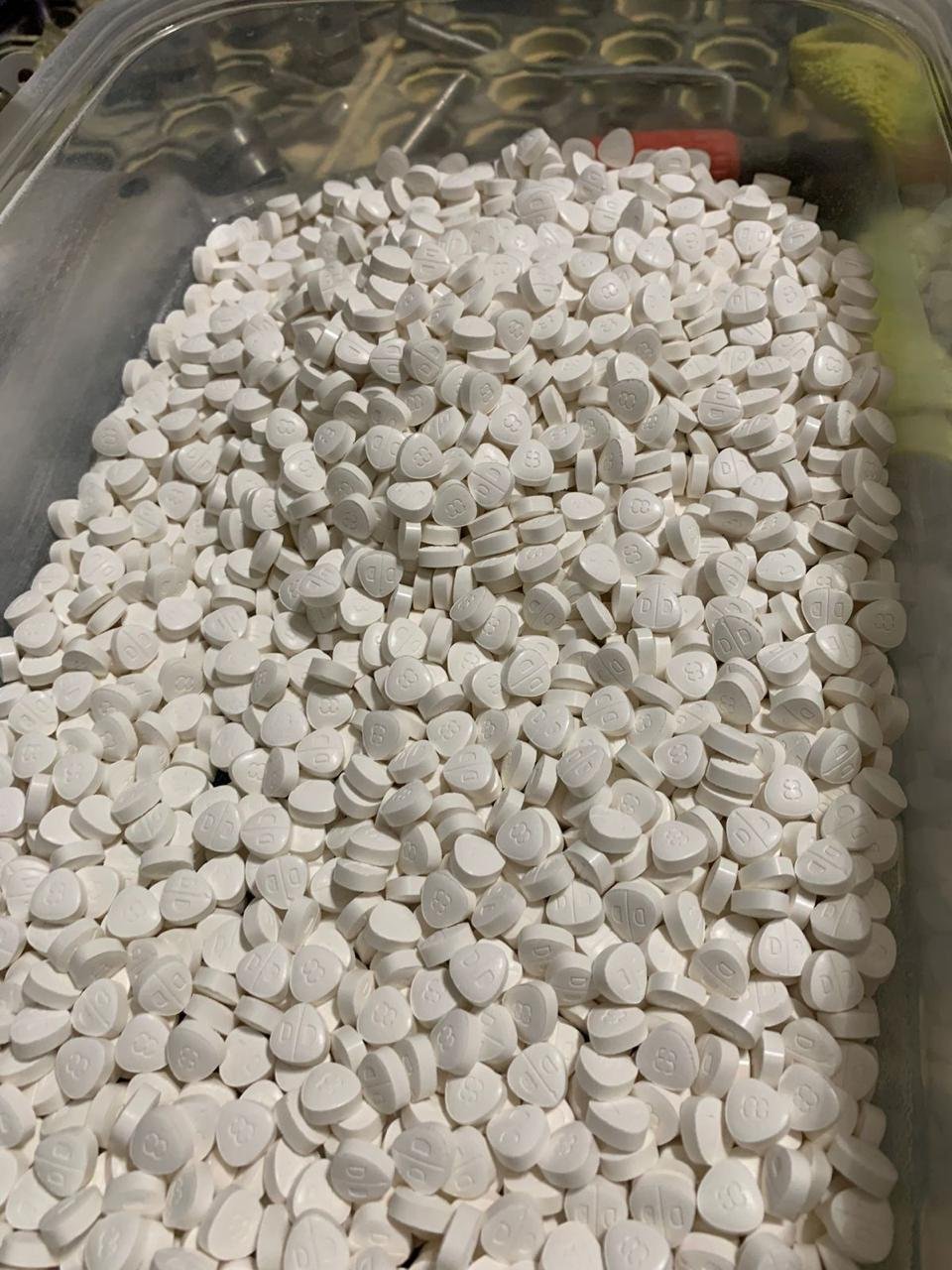
Dilaudid is available in prescription formulations including tablets and oral solution. Current U.S. prescribing information lists Dilaudid tablets in 2 mg, 4 mg, and 8 mg strengths, while the oral solution is listed as 5 mg/5 mL (1 mg/mL). The appropriate formulation and strength depend on the patient’s clinical situation and the prescribing clinician’s judgment.
The strength of a Dilaudid tablet should never be used to determine an individual’s dose independently. Opioid dosing must be individualized because patients differ in their previous opioid exposure, medical conditions, age, kidney and liver function, and sensitivity to opioid effects.
What Is Dilaudid Used For and Where to Buy Dialudid?
Dilaudid is indicated for the management of pain severe enough to require an opioid analgesic when alternative treatments are inadequate.
A healthcare professional may consider hydromorphone when a patient’s pain is sufficiently severe that other approaches do not provide adequate relief. The decision to prescribe Dilaudid involves balancing potential benefits against the risks associated with opioid treatment.
Dilaudid should not be considered a general-purpose painkiller. It is a powerful prescription medication intended for specific clinical circumstances.
Patients should take Dilaudid only according to their prescription. Taking additional doses because pain has increased, taking doses closer together, or using the medication differently from prescribed can increase the risk of respiratory depression and overdose.
How Does Dilaudid Work How To get Dilaudid At home?
Hydromorphone changes the way the central nervous system responds to painful stimuli. By activating opioid receptors, it can reduce the perception and emotional response to pain.
The same opioid activity responsible for pain relief can also produce unwanted effects. These may include sleepiness, slowed breathing, dizziness, nausea, constipation, and changes in alertness.
This is an important reason Dilaudid requires medical supervision. The medication’s effects are not limited to pain relief.
Expected Effects of Buying Dilaudid
When taken exactly as prescribed, Dilaudid may reduce severe pain and make it easier for a patient to rest or participate in necessary activities.
Some people may also experience opioid-related effects such as:
- Sleepiness or drowsiness
- Relaxation
- Dizziness
- Nausea
- Reduced alertness
- Constipation
- Sweating
- Itching
- Dry mouth
Not everyone experiences the same effects. A person who is taking hydromorphone for the first time may be particularly sensitive to its effects.
Patients should avoid driving or operating machinery until they know how hydromorphone affects them because the medication can cause drowsiness and impaired alertness.
Common Side Effects of Buying Dilaudid
Dilaudid can cause side effects even when used according to a prescription.
Reported side effects of oral hydromorphone include nausea, vomiting, dry mouth, sweating, flushing, itching, and mood changes. Sexual side effects, including decreased sexual desire or difficulty maintaining an erection, can also occur.
Constipation is another important opioid-related effect. Opioids can slow movement through the gastrointestinal tract, making bowel movements less frequent or more difficult.
Common or relatively frequent effects may include:
- Constipation
- Nausea
- Vomiting
- Drowsiness
- Dizziness
- Dry mouth
- Itching
- Sweating
- Flushing
- Mood changes
- Lightheadedness
- Reduced alertness
Patients should tell their healthcare professional if side effects are persistent, severe, or interfere with normal activities.
Serious Side Effects of Buying Dilaudid
Some Dilaudid side effects require urgent medical attention.
The most important serious risk is respiratory depression, meaning breathing becomes dangerously slow or inadequate. Hydromorphone can cause serious or life-threatening breathing problems, particularly during the first 24 to 72 hours of treatment and after increases in dosage.
Signs requiring emergency attention can include:
- Very slow or shallow breathing
- Long pauses between breaths
- Difficulty breathing
- Extreme sleepiness
- Inability to wake or respond normally
- Unusual snoring associated with breathing interruptions
- Severe dizziness or fainting
- Cold or clammy skin
A person who cannot be awakened or who is having significant difficulty breathing may be experiencing an opioid overdose and requires emergency medical attention.
Other potentially serious reactions can include seizures, severe allergic reactions, chest pain, changes in heartbeat, hallucinations, confusion, severe muscle stiffness or twitching, and symptoms associated with serotonin toxicity.
Buying Dilaudid and Taking Respiratory Depression
Respiratory depression is one of the most important safety concerns associated with Dilaudid.
Hydromorphone can reduce the brain’s response to rising carbon dioxide levels and can slow the body’s breathing drive. Excessive opioid exposure can therefore cause breathing to become dangerously slow or stop.
The risk may be greater when treatment begins, after a dose is increased, or when hydromorphone is combined with other substances that depress the central nervous system.
People with chronic respiratory disease, severe asthma, COPD, or other breathing problems require particular caution and medical assessment. The FDA prescribing information specifically warns about life-threatening respiratory depression in vulnerable patients.
Buying Dilaudid, Alcohol, and Other Sedatives
Combining Dilaudid with alcohol or other central nervous system depressants can substantially increase sedation and respiratory-depression risk.
Patients should not drink alcohol while taking hydromorphone unless their healthcare professional specifically determines that it is safe. Alcohol can worsen hydromorphone’s effects.
Other medicines and substances can also interact with hydromorphone. Patients should provide their doctor and pharmacist with a complete list of prescription drugs, over-the-counter medicines, vitamins, supplements, and other substances they use.
Particular caution is needed with medicines that can themselves cause sedation or suppress breathing.
Dilaudid and Dependence
Repeated opioid use can lead to physical dependence. Physical dependence means that the body adapts to the medication, and suddenly stopping it may cause withdrawal symptoms.
Dependence is different from addiction, although both can occur with opioid treatment.
Withdrawal symptoms after suddenly stopping hydromorphone can include restlessness, anxiety, sweating, chills, muscle or joint pain, runny nose, yawning, stomach cramps, nausea, vomiting, diarrhea, insomnia, weakness, rapid breathing, and rapid heartbeat.
For patients who have been taking hydromorphone regularly, a healthcare professional may gradually reduce the dose rather than stopping it abruptly.
Patients should never independently change their dose or discontinue long-term opioid treatment without speaking with their prescriber.
Get Dilaudid and Addiction
Hydromorphone is a potentially habit-forming opioid. Addiction, also called opioid use disorder when clinically diagnosed, involves problematic patterns of opioid use that can cause significant impairment or distress.
The risk is not identical for everyone. A patient’s personal and family history, previous substance-use problems, duration of opioid exposure, and other factors may influence risk.
Using Dilaudid exactly as prescribed does not eliminate all risks, but following the prescribed treatment plan and maintaining communication with the healthcare team can help support safer treatment.
Dilaudid should never be shared with another person. A prescription is intended specifically for the patient for whom it was prescribed.
WHy Dilaudid Tolerance
Tolerance can develop with repeated opioid exposure. Tolerance means that the body becomes less responsive to a particular effect of a medication over time.
Tolerance does not mean a patient should increase the dose independently.
Increasing the dose without medical supervision can increase the likelihood of respiratory depression, overdose, sedation, and other serious complications.
If pain becomes inadequately controlled, the appropriate response is to contact the prescribing healthcare professional so the treatment plan can be reassessed.
Why Dilaudid Overdose losses life
An overdose can occur when the body receives more hydromorphone than it can safely process.
Potential overdose symptoms include:
- Slow or shallow breathing
- Difficulty breathing
- Extreme sleepiness
- Inability to wake up
- Cold, clammy skin
- Very slow heartbeat
- Changes in pupil size
- Weakness
- Dizziness
- Loss of consciousness
An opioid overdose is a medical emergency.
Naloxone and nalmefene are opioid-reversal medicines that can help reverse life-threatening opioid effects. MedlinePlus recommends discussing access to an opioid overdose reversal medication with a healthcare professional when appropriate.
If an overdose is suspected, emergency medical services should be contacted immediately. A person should not simply be allowed to “sleep it off.”
Get Rid Of Buying Dilaudid Interactions
Hydromorphone can interact with many medications and substances.
Potentially important interactions include alcohol, sedatives, other opioid medications, and certain drugs affecting the nervous system.
Patients should tell their healthcare provider about all medicines they take before starting hydromorphone. This includes:
- Prescription medications
- Over-the-counter medicines
- Sleep medications
- Anxiety medications
- Other pain medicines
- Antidepressants
- Seizure medicines
- Herbal products
- Vitamins and supplements
- Alcohol and recreational substances
Some medicines may require special monitoring or adjustment when used with hydromorphone.
Dilaudid and Medical Conditions
Certain medical conditions can increase the risks associated with hydromorphone.
Patients should tell their healthcare professional if they have respiratory disease, asthma, COPD, gastrointestinal obstruction, seizures, liver disease, kidney disease, thyroid problems, pancreatic or gallbladder disease, brain conditions, or other significant medical problems.
The FDA prescribing information identifies significant respiratory depression, certain severe asthma situations, gastrointestinal obstruction, and known hypersensitivity to hydromorphone or specified ingredients among contraindications for Dilaudid oral products.
Patients with impaired kidney or liver function may require particular medical consideration because these conditions can affect medication handling and response.
Buying Dilaudid During Pregnancy
Patients who are pregnant, planning pregnancy, or breastfeeding should discuss hydromorphone with their healthcare professional.
Regular opioid exposure during pregnancy can result in neonatal opioid withdrawal syndrome, which may require medical treatment after birth.
Pregnancy does not automatically mean that a person cannot receive opioid treatment, but the potential benefits and risks need to be evaluated by a qualified healthcare professional.
Buying Dilaudid for Older Adults
Older adults can be more sensitive to opioid effects and may have a greater risk of dizziness, sedation, confusion, falls, and breathing problems.
Healthcare professionals may therefore monitor older patients particularly carefully.
The same principle applies to people who are medically frail or have significant respiratory, kidney, liver, or neurological conditions.
Taking Dilaudid Safely
Patients prescribed Dilaudid should follow their prescription instructions carefully.
Important safety practices include:
- Take Dilaudid only as prescribed.
- Do not take more than the prescribed amount.
- Do not take doses more frequently than instructed.
- Do not share Dilaudid with another person.
- Avoid alcohol unless your healthcare professional says otherwise.
- Tell your healthcare provider about all other medications and supplements.
- Do not drive until you know how hydromorphone affects you.
- Store the medication securely.
- Keep it away from children and visitors.
- Ask a pharmacist about appropriate disposal of unused medication.
MedlinePlus specifically recommends keeping hydromorphone in its original container, securely closed and inaccessible to children and other people.
What Happens If a Dose Is Missed?
For oral hydromorphone, patients should follow the instructions provided with their prescription. MedlinePlus advises taking a missed dose when remembered unless it is nearly time for the next dose; in that situation, the missed dose should generally be skipped rather than doubled.
Patients should not take an extra dose to compensate for a missed dose unless specifically instructed by their healthcare professional.
Stop Taking Dilaudid
People who have been taking Dilaudid regularly should not suddenly stop treatment without medical advice.
Sudden discontinuation after physical dependence has developed can result in withdrawal symptoms.
A healthcare professional can determine whether gradual dose reduction is appropriate and can monitor the patient during the process.
Safe Storage and Disposal
Dilaudid should be stored securely and kept out of the reach and sight of children and other people.
Unused or expired hydromorphone should be disposed of according to current local medication-disposal recommendations. A pharmacist can provide guidance on an appropriate disposal method.
Because hydromorphone is a potentially dangerous opioid, leaving unused tablets accessible in a home can create a risk of accidental ingestion, intentional misuse, or diversion.
Frequently Asked Questions About Dilaudid
Is Dilaudid a strong pain medication?
Dilaudid contains hydromorphone, a potent opioid analgesic. It is intended for pain severe enough to require an opioid when alternative treatments are inadequate.
What is the active ingredient in Buying Dilaudid Online?
The active ingredient in Dilaudid is hydromorphone.
Can Taking Dilaudid cause sleepiness?
Yes. Drowsiness and sedation can occur. Patients should avoid driving or operating machinery until they know how the medication affects them.
Can Buying Dilaudid cause constipation?
Yes. Constipation is a common opioid-related effect of hydromorphone.
Can Buying Dilaudid cause addiction?
Yes. Hydromorphone can be habit forming and carries a risk of misuse, addiction, and physical dependence.
Can Buy Dilaudid Online slow breathing?
Yes. Respiratory depression is one of the most serious risks associated with hydromorphone and can be life-threatening.
Can Dilaudid be mixed with alcohol?
Alcohol can increase the adverse effects of hydromorphone and may increase the risk of dangerous sedation and breathing problems. Patients should avoid alcohol while taking hydromorphone unless their healthcare professional specifically advises otherwise.
Can I stop Taking Dilaudid suddenly?
Patients who have been taking hydromorphone regularly should speak with their healthcare professional before stopping. Abrupt discontinuation can cause withdrawal symptoms.
What should I do if someone may have overdosed on Dilaudid?
Suspected opioid overdose requires immediate emergency medical attention. Signs can include very slow or shallow breathing, difficulty waking, extreme sleepiness, and loss of consciousness. An opioid reversal medication such as naloxone may be used when available and appropriate while emergency help is obtained.
Final Considerations
Dilaudid (hydromorphone) is an effective prescription opioid for appropriately selected patients with severe pain, but it is also associated with significant risks. The most important concerns include respiratory depression, sedation, overdose, tolerance, physical dependence, withdrawal, misuse, and addiction.
Because individual responses to Dilaudid vary, treatment should be based on a healthcare professional’s assessment rather than information about tablet strengths or doses found online. Patients should follow their prescription exactly, disclose other medications and substances to their healthcare team, avoid potentially dangerous combinations, and seek immediate medical assistance when symptoms of overdose or severe respiratory depression occur.
The FDA’s current prescribing information and MedlinePlus should be consulted for the most current professional and patient safety information.









Tina steve –
The website was easy to navigate, and checkout was simple.
Sean skyes –
My order arrived in good condition and matched the information provided.
Gary –
The ordering experience was smooth, with secure packaging and delivery.
Lee marston –
The order was processed smoothly and arrived well packaged.
Tiffany mccraw –
Clear product information and a straightforward checkout experience.